I’ve spent the better part of a decade testing wearables. I’ve worn everything from first-generation fitness bands that could barely track a step to current-gen smartwatches that claim they can predict a panic attack before you feel the first flutter in your chest. Exactly.. If there is one thing I’ve learned, it’s this: technology is excellent at measuring data, but often terrible at providing actionable context.
Ever notice how when you start looking at the correlation between sleep quality and stress levels, you enter a murky world of buzzwords. Manufacturers love to promise "better wellness," but they rarely explain the "how." Today, we’re cutting through the marketing fluff to see if that gadget on your wrist can actually help you manage the chaos of daily life, or if it’s just another notification-generator destined for your "tech graveyard" drawer by week three.
The Physiological Link: Why Your Watch Actually Cares About Your Sleep
Your sleep tracker isn't just counting the minutes you spend in bed. Modern wearables rely heavily on Heart Rate Variability (HRV)—the variation in time between each heartbeat. HRV is one of the most reliable windows into your autonomic nervous system. When you are chronically stressed, your body stays in a "fight or flight" mode, which shows up as a decreased HRV during deep sleep.
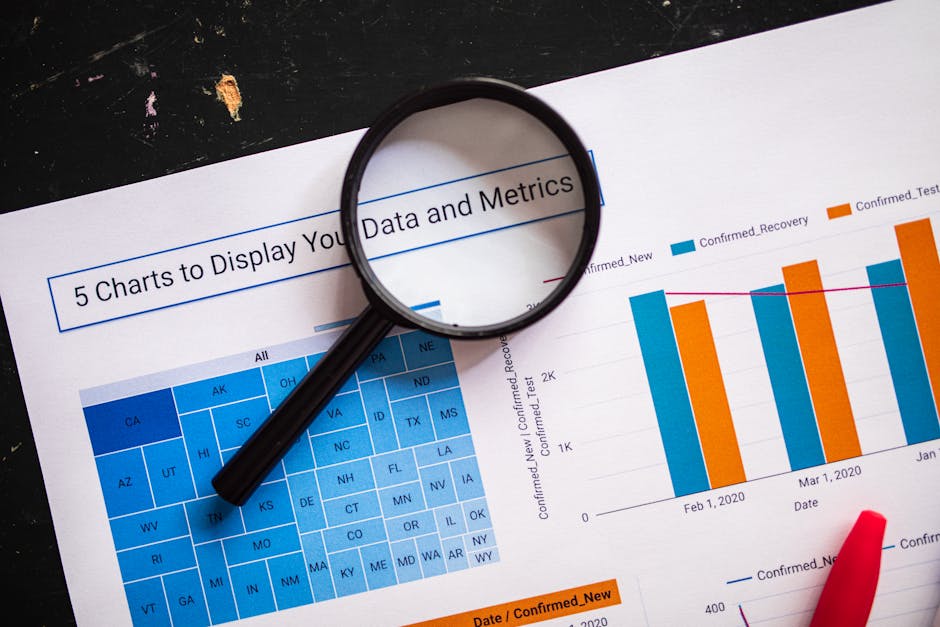
By monitoring these behavioral patterns over time, apps have moved beyond simple "You slept 7 hours" alerts. They are now beginning to correlate specific lifestyle choices with physiological recovery. However, the catch is data sharing. Before you sync your device, always check the privacy policy. Does that wearable sell your heart rate data to third-party advertisers? If the answer is yes, you aren’t just losing privacy—you’re losing the trust required for a genuine wellness tool.
The Smartphone as the Ultimate Wellness Hub
We’ve moved past the era where your wearable was a standalone gadget. Today, your smartphone acts as the central command for your digital health. It aggregates data from your sleep tracker, your movement sensors, and your mood logs.
This integration is where things get interesting—and actually useful. For example, consider the evolution of telehealth and remote care. We’ve moved from basic video calls with a doctor to comprehensive, connected platforms. You now have cloud-based dashboards that allow your clinical team to view your aggregated sleep data alongside your reported stress markers. This isn't just "tracking"; it’s the digitization of the patient journey.
Companies like Releaf have pioneered this in the UK by integrating the prescription journey directly into the patient experience. Imagine a system where your telehealth consultation is informed by your actual sleep data, followed by automated prescription management and real-time delivery tracking. Let me tell you about a situation I encountered made a mistake that cost them thousands.. This creates a closed-loop system: Data Collection: Sleep tracker records HRV and rest patterns. Clinical Review: Clinician accesses cloud-based patient portal to review trends. Intervention: Prescription is authorized based on data-backed need. Management: Patient receives delivery updates directly through their secure mobile app.
The Role of AI and Symptom Navigation
One of the most significant shifts I’ve tracked recently is the move toward AI-driven health navigation. Microsoft's Copilot Health initiative is a prime example of where this is heading. Instead of falling down a rabbit hole of anxiety-inducing searches on generic forums, users are gaining access to AI tools designed to help navigate medical queries within the context of their own health data.
However, a note of caution: AI is not a doctor. I’ve seen too many "wellness" apps promise medical certainty without citing a single clinical trial. If you are researching symptoms, stick to vetted platforms like Healthline for the baseline, and use your AI tools to summarize your *own* data rather than asking the AI to diagnose your condition. The best use of AI today is summarizing your week’s sleep trends to help you prepare for a conversation with your GP, not replacing the GP entirely.
Features That Sound Great But Annoy Users in Week Two
In my decade of reviewing tech, I’ve kept a "Graveyard List"—features that look incredible in a promo video but become daily irritants once the novelty wears off. Here is how sleep/stress trackers often trip up:
Feature The "Marketing" Promise The "Week Two" Reality Vague Daily "Readiness" Scores "Know exactly how hard to train." An arbitrary number that makes you feel bad if you didn't sleep perfectly. Aggressive "Breathe" Notifications "Reduce your stress in real-time." An annoying nudge that interrupts your actual work and increases your frustration. Social Media Sleep Sharing "Compete with friends for health." No one cares that you slept 45 minutes more than your neighbor; it just adds digital clutter.
Bridging the Gap: From Data to Action
Can a sleep tracker help with stress? Yes, but only if it facilitates action. The most successful users I interview are those who use their cloud-based dashboards to identify a concrete correlation: "Every time I have a late dinner, my deep sleep drops by 20%, and my stress levels the next day spike."
That is the "Aha!" moment. It’s not about buying a watch that promises to lower your stress; it’s about buying a tool that exposes your behavioral patterns so you can make informed lifestyle adjustments. When that data is then securely integrated into a telehealth portal, you aren’t just "tracking wellness"—you’re practicing precision self-care.
Three Golden Rules for Your Next Purchase
Ownership First: Does the app allow you to export your data in a human-readable format (like CSV or PDF)? If you can’t own your data, you shouldn’t track it. Clinical Integration: Can the data be shared with a real healthcare provider, or is it locked in a walled garden app? Disclaimers Matter: If the product claims to "cure stress" or "diagnose insomnia" without a medical device certification, run the other way.The Future is Connected, Not Just Quantified
We are currently in a transition period. We’ve passed the point of "quantified self" where we just collect numbers for the sake of it. We are entering the age of "connected health." More helpful hints The dream is a seamless ecosystem: you sleep, your watch notices a dip in recovery, your app suggests a telehealth follow-up, you chat with a clinician via a secure portal, and your prescription is managed and tracked to your door without you ever needing to navigate a labyrinthine health bureaucracy.
Is your sleep tracker a magic wand for stress? Absolutely not. It is a mirror. It shows you the patterns you’ve been ignoring. Whether you use that reflection to change your habits or just keep swiping through the notifications is entirely up to you. My advice? Turn off the "wellness" notifications that interrupt your day, and spend 10 minutes on Sunday morning looking at your dashboard trends. That is where the real stress management happens—not on your wrist, but in the choices you make based on the data you see.

Editor's Note: Always consult with a qualified medical professional regarding changes to your health regimen. Digital tools are supplements to, not replacements for, clinical care.