I spent eleven years in magazine editorial offices—the kind with glass walls, constant chatter, and the relentless hum of printers. When I finally transitioned into coaching, I expected my home office to be a bastion of silence. Instead, I found myself in a small apartment studio where the desk is three steps from the bed and the fridge hums like a low-frequency anxiety attack. I’ve seen writers, designers, and photographers struggle with the same thing: the belief that if they just had a bigger space, they’d be more creative. That is nonsense. You don’t need a sprawling studio; you need a sustainable boundary.

The real question isn't how to buy a better chair; it’s this: What does your workspace actually look like on a Tuesday at 3 pm? Is it a cluttered battlefield of tabs and half-finished coffee, or is it a space where you can actually think?
The Myth of the Creative Sanctuary
There is a dangerous amount of "wellness" content out there—the kind that shows pristine, minimalist studios with a single succulent and a MacBook bathed in golden-hour light. It’s corporate-packaged, vague, and frankly, it ignores the reality of being a human being who needs to sleep, eat, and actually do work. Inspiration isn’t a lightning bolt that hits you because you bought a fancy candle. It’s a habit. It’s a byproduct the-art-world.com of a brain that isn’t constantly being poked by notifications.
When we talk about a quiet environment, we aren’t talking about the absence of sound; we are talking about the absence of cognitive friction. In a small studio setup, every visual trigger is an invitation for your brain to wander. If your laundry is in your line of sight, your brain is doing the dishes instead of writing that draft.
Tech Distraction: The Invisible Clutter
Before you move a single piece of furniture, we need to address the most aggressive noise in your studio: your digital environment. I recently deleted a "productivity" app mid-sentence because it sent me a notification telling me I was "behind on my goals" while I was actively working. If an app or a digital platform is designed to make you feel like you’re failing, it’s not a tool; it’s a parasite.
The social media algorithms are not your friends. They are designed to keep you in a state of high-arousal distraction. When you live in a studio, your digital space is your biggest roommate. If it’s noisy, your apartment is noisy.
Three Steps to Digital Silence
- The Notification Purge: Disable everything except direct communication from real humans. If it’s an app that tracks your "wellness," delete it. True wellness doesn't ping you. The "Airplane" Pivot: When you need to do deep work, put your phone in a drawer. Out of sight, out of mind. It’s not about willpower; it’s about reducing the cognitive load of ignoring the device. Tab Hygiene: If you aren't using the browser tab for the specific task at hand, close it. Open browser tabs are visual clutter that contributes to mental burnout.
Rituals as a Bridge into Focus
We often treat "focus" like a switch we can flip. It isn't. It’s a state you have to ease into. Rituals are the bridges between the chaos of the rest of the day and the specific task you need to complete. The beauty of these rituals is that they take under two minutes. You don't need a 45-minute meditation session—you need a transition.
The Physical Reset: Clear your desk surface completely. Wipe it down with a damp cloth. It takes 60 seconds and signals to your brain that the previous task is over. The Sound Anchor: Put on a specific playlist—something without lyrics—that you *only* listen to when you work. This Pavlovian response helps you drop into flow faster. The "Three-Deep" Breath: Sit down, close your eyes, and take three intentional breaths. That’s it. It’s a physiological reset that says, "We are here now."Optimising Your Small Studio Setup
In a small apartment, your space has to work double-time. The goal is to make it disappear when you don't need it, and hold you securely when you do. Use these focus tips to curate your environment:
Feature The "Default" State The "Focus" State Lighting Overhead, clinical, harsh Task lighting, warm tones, directional Tech Visible, charging, pinging Tucked away, off-screen Visuals Clutter, papers, unfinished tasks One focal point, clear surface Audio Random traffic, neighbors, TV Noise-canceling headphones, white noiseBurnout Prevention and The "Always On" Trap
Here is the reality that the "hustle culture" influencers won't tell you: if you don't sleep, you cannot produce quality work. I see so many writers burning out because they treat their bodies like secondary hardware. Burnout is not a badge of honor; it is a signal that your workflows are unsustainable.
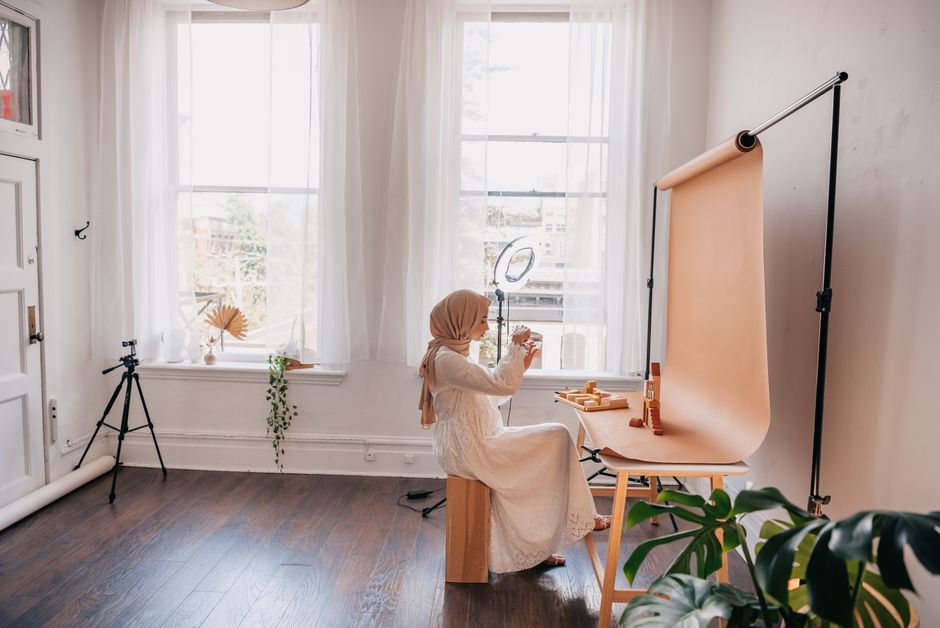
Creating a quiet environment in your studio is a radical act of burnout prevention. By controlling your sensory inputs, you are protecting your nervous system from the hyper-stimulation that leads to fatigue. If you are exhausted, don't try to "hack" your way into more productivity. Sleep. Walk away from the screen. The work will still be there tomorrow.
Sustainable Workflows: A Final Word
As a former editor, I’ve seen the best and worst of creative habits. The most successful people I’ve worked with aren't the ones who can pull all-nighters. They are the ones who have built systems that allow them to show up, do the work, and then leave. Even if you don't have a separate office to leave, you can leave your desk.
When the clock hits your designated "stop" time, pack your laptop away. Put it in a drawer or under a cover. Create a literal physical boundary that signifies the workday is over. This is how you reclaim your home, how you keep your creative spark from dimming, and how you ensure that your studio remains a place where you can actually breathe.
You don't need a million-pound loft to be a creative powerhouse. You just need to stop the noise, start the ritual, and respect the fact that your brain—just like your apartment—needs a quiet corner to thrive.