We’ve all been there: scrolling through our phones in bed, hoping a quick scroll will help us unwind — only to find ourselves staring at the ceiling, wide awake hours later. The culprit often blamed is blue light emitted from phone screens. But does blue light really keep you awake? And if so, why? Understanding this involves diving into how our sleep works, why women’s bodies can be uniquely affected, and what practical steps you can take to protect your rest without feeling like you need to go full tech detox.
Why Sleep Is the Foundation of Overall Health
Sleep might feel like a luxury when life gets busy, but it’s actually a non-negotiable cornerstone of good health. Quality sleep supports:
- Immune function Hormone balance Emotional regulation Cognitive performance Metabolism and weight maintenance
Without enough restful sleep, these essential systems suffer — and that can snowball into chronic health issues over time. This is especially true for women, who navigate fluctuating hormone levels and unique stressors that impact sleep quality.
The Science Behind Blue Light and Melatonin Production
Blue light is a high-energy, short-wavelength light that screens on smartphones, tablets, and computers emit more heavily in comparison with https://bizzmarkblog.com/does-reading-before-bed-help-or-keep-you-awake/ other light sources. Our bodies rely on light cues to regulate the circadian rhythm — the natural internal clock that tells us when to be awake and when to be sleepy.
Key to this process is melatonin, a hormone produced by the brain’s pineal gland. Melatonin levels typically rise after sundown, helping you feel drowsy and guide you toward falling asleep. Exposure to blue light in the evening can trick your brain into thinking it’s still daytime, suppressing melatonin production and shifting your internal clock later.
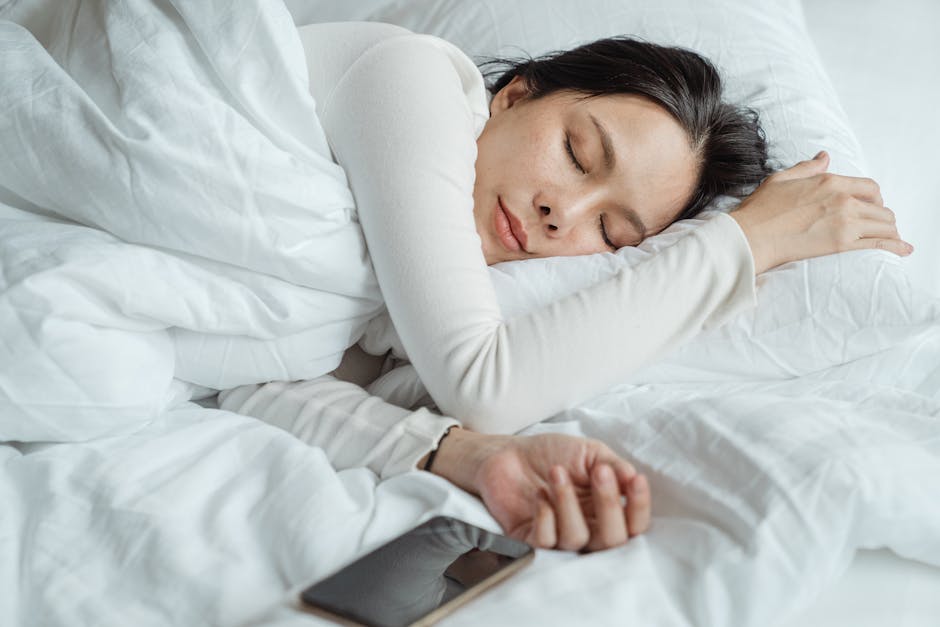
Research shows that even short bursts of blue light exposure (as little as 30-60 minutes) before bed can delay melatonin onset, making sleep come later and, often, feel lighter or less refreshing.
Women-Specific Sleep Disruptors Linked to Life Stages and Hormones
The impact of blue light and disrupted melatonin production can feel amplified for women due to hormone fluctuations that influence sleep timing and quality. Key life phases where women often notice increased sleep challenges include:
- Menstrual cycle: The premenstrual and menstrual phases commonly bring lower sleep quality due to hormonal dips and physical discomfort. Pregnancy: Rising progesterone can initially cause increased sleepiness but later stages involve frequent awakenings and discomfort. Perimenopause and menopause: Hot flashes, night sweats, and fluctuating estrogen levels rapidly affect sleep ability.
All these shifts can magnify the effect of environmental factors like blue light or inadequate sleep hygiene, making it even more important to manage screen time before bed in a way that respects your body’s current state.
Mental Load, Stress, and Bedtime Anxiety
Sometimes, it’s not just the phone screen lighting that keeps you awake — it’s what’s going through your head. Mental load, especially for women juggling work, family, and social responsibilities, often peaks at bedtime. Anxiety about "to-do" lists, relationship stresses, or just the day's whirlwind can compound melatonin suppression into full-blown insomnia.
Here’s a habit I recommend that sounds doable and is backed by sleep experts: a 10-minute wind-down routine. Here's a simple version:
Turn off electronic devices or switch them to a low-blue-light mode. Spend 10 minutes writing a quick brain dump in a paper notebook by your bed — list out worries, tasks, or thoughts to clear your head. Try a calming activity like reading a paper book, deep breathing, or gentle stretching.This routine respects the science of sleep hygiene, which means setting the stage for your body to relax without fighting environmental or mental barriers.
What Does the Women In Balance Sleep Calculator Tell Us?
The Women In Balance sleep calculator offers a tailored approach to understanding your optimal sleep window based on personalized factors — including hormonal influences and circadian rhythm.
Why does this matter? Because knowing your ideal bedtime and wake time can help you limit screen time before bed to that critical wind-down window when blue light suppression of melatonin is most harmful. By calculating your sleep needs based on your specific life stage and hormonal profile, you have a customized plan rather than one-size-fits-all advice.
How to Protect Your Sleep Without Feeling Guilty About Phone Use
It’s unrealistic to expect anyone to quit phone use cold turkey before bed—especially with the mental load many women carry and the reliance on phones for social connection or relaxation. Instead, here are practical tips to improve sleep hygiene around screen time:
- Set a nightly “tech off” time at least 30-60 minutes before your calculated sleep window using the Women In Balance sleep calculator. Use night mode or apps that reduce blue light after sunset but recognize these help somewhat — they don’t fully neutralize blue light’s effects. Create a tech-free wind-down zone: Replace screen time with a paper notebook brain dump, reading, or meditation. Optimize bedroom lighting: Dim lights in the evening and avoid overhead lighting that mimics daylight. Address mental load early: Plan tasks and thoughts earlier in the day to reduce bedtime anxiety.
In Summary: Does Blue Light from My Phone Really Keep Me Awake?
The short answer is yes — blue light from your phone does affect your body’s melatonin production, and that can delay sleep onset and reduce sleep quality. For women, whose sleep can already be vulnerable due to hormonal cycles and life stage changes, this can make a noticeable difference.
https://smoothdecorator.com/why-do-i-get-headaches-when-i-sleep-poorly/But that doesn’t mean you need to ditch your phone entirely before bed. Using tools like the Women In Balance sleep calculator can help you figure out your personalized best sleep timing, and combining that with a simple 10-minute wind-down routine — including turning off screens and journaling brain dumps — supports your nervous system and hormone balance.
Sleep is the foundation of everything — stress resilience, hormonal harmony, immunity, and mood. Protect your sleep by respecting your body’s cues, dimming your light exposure, managing mental load, and making small, doable changes that add up to big rewards in rest.
Remember, great sleep rarely comes from just one fix. It’s about building habits that suit your life and body—and that begins with understanding what’s really keeping you awake.