Living with chronic pain can feel like walking a tightrope — balancing daily activities with episodes of intensified discomfort, often called flare-ups. If you’re navigating this stop-start journey, you’re certainly not alone. Millions across the UK manage conditions like lupus, fibromyalgia, and arthritis that bring long-term pain challenges. The good news? There are gentle, practical strategies to help you live well without pushing your body too far.

In this article, we’ll explore:
- Understanding chronic pain and flare-ups in plain language Why paced, sustainable lifestyle habits are key How to budget your energy and prevent flares Resources like specialist clinics and trustworthy product reviews The importance of seeing yourself beyond your diagnosis
What Is Chronic Pain and What Exactly Is a Flare-Up?
Chronic pain means pain that lasts longer than three months and doesn’t simply go away with standard treatments. It can vary day-to-day; some days are manageable, while others can bring sharp increases in discomfort.
A flare-up (sometimes called a “flare”) is when your symptoms suddenly worsen or spike. This might last hours, days, or longer. Think of it as your body’s way of signaling it needs rest or a change in activity.
These flare-ups aren’t just physical — they affect emotional well-being, social life, and your overall sense of identity.
Your Identity Beyond the Diagnosis
One of the hardest parts of living with chronic pain is feeling defined by it. It’s natural to worry that others only see your condition and not you. But your diagnosis doesn’t have to dictate who you are.
Many find it empowering to:
- Embrace hobbies and interests that lift your spirits Connect with communities, like LUPUS UK, which offer support and understanding Celebrate small wins — whether it's a walk, a good night’s sleep, or a flare-free day
Remember, you are much more than your pain, and maintaining a sense of self is crucial for motivation and mental health.
Managing Pain and Preventing Flare-Ups: The Power of Pacing
Pacing is a term meaning to carefully plan your activities to avoid overexertion and reduce the chance of a flare-up. It’s about recognizing your limits and redistributing your energy throughout the day or week.
Think of your daily energy like a budget. If you spend too much early on, you may end up “in the red” later, triggering a flare. Here’s how pacing can help:
- Break tasks down: Instead of cleaning the whole house in one go, spread it over several days. Alternate activity types: Mix physical tasks with mentally engaging or restful ones to avoid constant muscle strain. Rest before fatigue hits: Plan short breaks to keep your energy stable.
Many people with chronic pain find pacing challenging because it requires daily self-awareness and flexibility. However, practice makes it easier to sense early warning signs.
Energy Budgeting: A Simple Tool
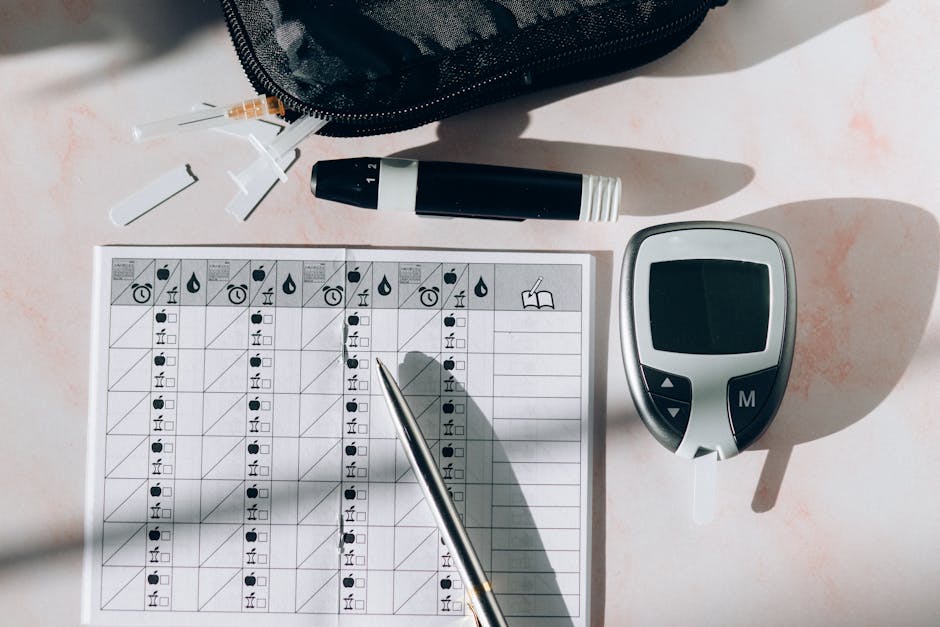
One practical method is to keep a daily log where you rate your energy levels and note activities. Over time, you’ll see patterns and can adjust accordingly.
Time of Day Activity Energy Used (Low, Medium, High) Pain Level (1-10) Comments 9:00 AM Light stretching Low 3 Felt good, energized the body 12:00 PM Cooking lunch Medium 5 Stopped to rest halfway throughSmall Sustainable Lifestyle Habits Make a Big Difference
While the idea of massive lifestyle overhauls might seem appealing, in chronic pain management, consistency beats intensity.
- Gentle exercise: Activities like walking, swimming, or yoga can build strength and flexibility without overstraining muscles. Mindfulness & relaxation: Techniques such as meditation help manage stress, which can worsen pain. Sleep hygiene: A regular sleep routine supports healing and reduces fatigue. Nutrition: Eating balanced meals supports overall well-being and inflammation control.
The key is to listen to your body and adapt — not push through without rest as some harmful wellness messages suggest. Your health is a long game, not a sprint.
How Specialist Clinics and Prescription Pathways Support Chronic Pain Management
If you’re struggling to manage pain, consulting a specialist clinic can be valuable. These clinics offer tailored assessments and access to multidisciplinary teams: doctors, physiotherapists, occupational therapists, and psychologists.
Specialist clinics often coordinate prescription pathways, ensuring you get the right medication at the correct dosage while considering your overall treatment plan.
Remember, always talk with your clinician before starting, changing, or stopping any treatment.
Using Independent Review Sites for Safe, Reliable Product Choices
Many people explore products like cannabidiol (CBD) oil for pain relief. While some report benefit, not all products are created equal.
CBD Ratings (cbdratings.co.uk) is an independent UK-based review site that evaluates CBD brands based on lab testing, consumer feedback, and transparency. This helps you choose high-quality options free from misleading marketing.
Similarly, if considering cannabis-based treatments, services like Releaf specialize in providing medical cannabis products legally via prescription pathways in the UK. They work closely with clinicians and provide support https://funmagazine.co.uk/living-well-with-a-chronic-condition-small-lifestyle-changes-that-help/ to ensure safe usage aligned with your healthcare plan.
It’s important not to confuse readily available CBD wellness products with prescription medical cannabis, which is strictly regulated and supervised.
Summary: Managing Chronic Pain Without Overdoing It
Living well with chronic pain takes patience, kindness to yourself, and thoughtful planning. Here’s a quick reminder of key points:
Understand your limits: Recognize what activities trigger flare-ups. Practice pacing: Budget your energy to avoid overexertion. Adopt small, sustainable habits: Gentle exercise, good sleep, and stress management pay off. Stay connected: Engage with communities like LUPUS UK for support and validation. Use trustworthy resources: Check independent sites like CBD Ratings before trying new products. Seek specialist advice: Consult clinics and clinicians to tailor management and medications. Remember your identity: You are more than your diagnosis.If you ever feel uncertain about your pain management or consider new treatments, always reach out to a healthcare professional. They can help you navigate your options safely without the risk of overdoing it.
Additional Resources
- LUPUS UK – Support and information for lupus patients Releaf – Medical cannabis services and support CBD Ratings – Independent CBD product reviews
Managing chronic pain without pushing yourself too hard is challenging, but with patience and the right strategies, a more comfortable and fulfilling life is possible.