If you have spent any time interviewing physical therapists or high-performance coaches, you eventually hit a wall of consensus: Training is the stimulus, but recovery is the adaptation. When you are at home, you have a rhythm. You have your kitchen, your mattress, and your local gym. When you travel for a competition, that rhythm is shattered. The common mistake athletes make is viewing travel as a "necessary evil" where you just hold your breath until the day of the event.
That mindset is an amateur move. If you want to perform at your peak, you have to treat travel not as a break from your training, but as a critical part of your competitive cycle. The goal isn't to reach the venue "okay"—the goal is to reach the venue in a state where your body hasn't spent its entire battery reserve just getting through the airport.
So, let’s get specific. What does this look like on a Tuesday night? Because if you aren't doing the work in the hotel room, you aren't doing the work at all.
The Recovery Multiplier: Why Travel Matters
We often talk about "gains" in the gym, but recovery is the actual multiplier. If you train at a 90% intensity level but your travel logistics drop your recovery to 50%, your competition day performance isn't going to be 90%. It’s going to be the floor of your current state, which might be 40%. You are essentially throwing away your training cycles the moment you step into a terminal.
Travel recovery tips aren't about buying a $500 recovery boot system. They are about managing the physiological stressors—cabin pressure, circadian disruption, and sedentary time—that actively fight against your performance goals.
1. Hydration: Beyond Just "Drinking Water"
The "travel hydration" talk usually gets bogged down in vague, buzzword-heavy advice about flushing toxins. Forget that. Focus on the actual mechanics of the human body in a pressurized cabin. Flying dehydrates you, and fluid shifts during travel can lead to peripheral edema (swelling), which makes your legs feel like lead on competition morning.
Hydration Travel Strategy:
- The Baseline: Aim for 8 ounces of water for every hour you are in the air, minimum. If you are drinking coffee or alcohol, double that. Electrolyte Management: Don’t just chug pure water. Your body needs to retain it, not just pass it. Using an electrolyte packet that emphasizes sodium and potassium helps maintain blood volume, which is essential for oxygen transport to your muscles. Avoid the "Travel Bloat": Skip the hyper-processed airport snacks that are loaded with sodium. Your body is already struggling to regulate fluids; don’t add 2,000mg of salt from a bag of chips.
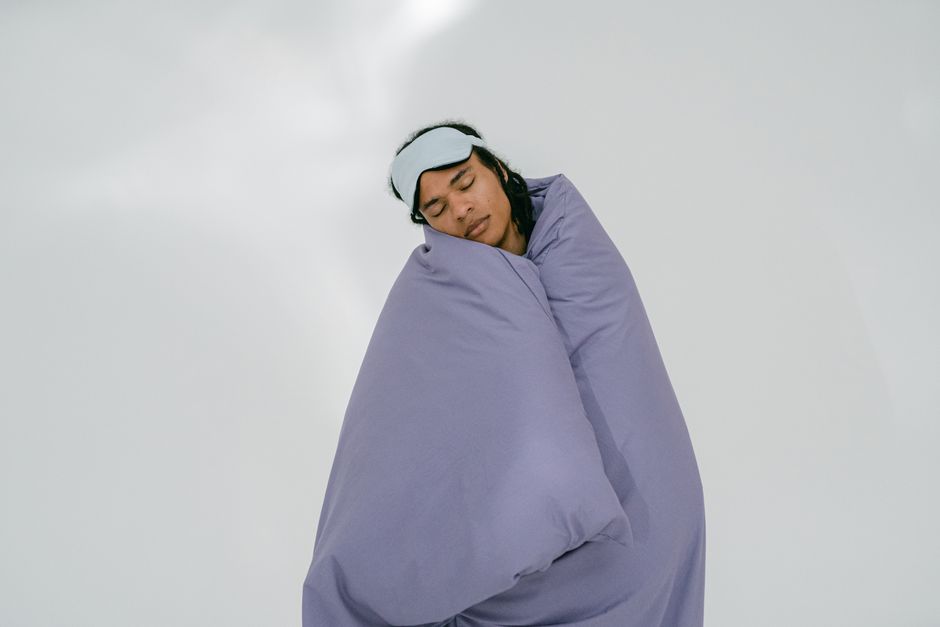
2. The Sleep Routine Travel Strategy
This is where most athletes fail. They check into a hotel, drop their bags, and start scrolling through their phones under bright fluorescent lights, wondering why they can't fall asleep. Your sleep routine travel plan should be a non-negotiable ritual that mimics home as closely as possible.

Your central nervous system needs a signal that it’s time to shut down. When you change time zones or sleep environments, your internal clock goes haywire. You need to control the environment to force the signal.
Your Hotel Room Sleep Checklist
The Blackout Test: If you can see light leaking from the door or the edges of the curtains, your room isn't dark enough. Use a binder clip to pin the curtains shut. Temperature Control: Most hotels are set to a generic "comfortable" temp, which is usually too warm for optimal recovery. Crank the AC down to 65–68°F (18–20°C). The "White Noise" Buffer: Hotel hallways are loud. Use a portable white noise machine or an app on your phone to normalize the soundscape. You aren't just drowning out noise; you're preventing the "startle response" when someone walks by your door at 2:00 AM. Screens Off: The blue light from your laptop or phone suppresses melatonin. Shut it down 45 minutes before sleep. Read a physical book instead.3. Managing the "Competition Brain" and Stress
Stress management for busy athletes isn't just about breathing deeply—it’s about managing cortisol. Competition anxiety is real, and it’s amplified by the logistical headache of travel. If you are stressed about finding your rental car or navigating a new city, that cortisol is circulating in your system, actively delaying muscle repair.
You need to outsource your logistics. If you can, book flights that arrive a full 24-48 hours before the event. If the competition is on a Saturday, flying in on Friday afternoon is a recipe for disaster. The stress of travel coupled with the impending competition will keep your nervous system in a sympathetic (fight-or-flight) state, making it impossible to recover.
Pro Tip: Use a "Brain Dump" journal. Write down every single task, worry, or logistical concern you have about the competition on a piece of paper before you try to sleep. Getting it out of your head and onto paper helps the brain "close the tab."
4. Movement: The Antidote to Stiffness
Staying static for four to six hours is a death sentence for your hip flexors and lumbar spine. You don't need a full gym routine, but you do need "micro-movements."
- The Airplane Walk: Every 90 minutes, stand up and move. Do calf raises in the galley or simple hip hinges. Compression: Wear compression socks. This isn't just a gimmick; it aids venous return, which is crucial when you are sitting in a cramped seat for extended periods. The Hotel Arrival Routine: Before you even sit on the bed, do 10 minutes of light mobility work. Focus on opening up the hips, thoracic spine, and hamstrings. It signals to your brain that the "travel" phase is over and the "recovery/competition" phase has begun.
The "Tuesday Night" Reality Check
I always ask, "What does this look like on a Tuesday night?" When you are home, you have a routine. You might have a meal prepped, you have your own pillow, and you know exactly concordp2c.com how to wind down. When you are in a random hotel room 500 miles from home, you have to recreate that Tuesday night.
If you don’t have a checklist, you will deviate. You will get tired, you will be hungry, and you will choose the easiest option—which is usually the one that destroys your recovery. Use the table below to evaluate your current travel habits.
Action The "Amateur" Mistake The "Pro" Habit Hydration Drinking only coffee/soda Electrolytes + consistent water intake Sleep Scrolling phone until exhausted "Analog" wind-down + blackout curtains Movement Sitting until the hotel check-in Micro-movements + 10-min mobility Logistics Arriving day-of or night-before Arriving 24+ hours prior to event Stress Holding it all in your head The "Brain Dump" journal method
Final Thoughts: Recovery as a Performance Multiplier
Stop looking for a "miracle" travel pill or a secret supplement. They don't exist. The edge you gain in competition comes from boring, repetitive habits that keep your body in a state of repair rather than a state of alarm.
If you take nothing else away from this, take this: Your body does not know the difference between "travel stress" and "training stress." It just knows stress. By managing your environment—keeping your sleep routine tight, hydrating with purpose, and keeping your stress levels managed through simple, repeatable steps—you turn the travel process into a neutral event rather than a performance-killer.
Next time you are packing your bags, don't just pack for the competition. Pack for the recovery. Because when the starting gun goes off, the person who recovered the best is usually the person standing on the podium.