For the better part of a decade, I’ve worked in the trenches of UK healthtech. I’ve seen the rollout of patient portals that felt like they were designed in the 90s, and I’ve helped build telehealth platforms that actually put the patient’s clinical need at the centre of the experience. If there is one thing I’ve learned, it’s that "digital-first" isn't a silver bullet. When we talk about sensitive health topics—ranging from mental health to medical cannabis—the technology is only as good as the safety guardrails behind it.
In 2026, remote care is no longer a "COVID-era experiment." It is a foundational part of the UK healthcare infrastructure. But how do we ensure that patients talking to a clinician over a screen are getting the same, if not better, standard of care than they would in a physical clinic? The answer lies in rigid clinical governance and a refusal to cut corners for the sake of "seamlessness."

The Regulatory Framework: Beyond the Buzzwords
When platforms claim they can facilitate sensitive care, my first question is always: "Are you compliant with NICE NG144?" If you are looking for a provider, that should be your first question too. NICE (the National Institute for Health and Care NICE NG144 guidance Excellence) guidelines on remote consultations are clear: remote care must meet the same clinical standards as face-to-face appointments.
This means your secure video consultation is not just a Zoom call. It is a purpose-built environment. In the UK, CQC (Care Quality Commission) registered providers must ensure that the software encrypts data end-to-end and that identity verification is as robust as showing a passport at a GP surgery. Privacy isn't a feature; it is a regulatory requirement under the Data Protection Act 2018 and GDPR.
The Medical Cannabis Patient Journey: A Case Study in Rigour
There is a dangerous myth circulating online that accessing medical cannabis in the UK is a "no-questions-asked" process. As someone who has audited these workflows, I can tell you that is nonsense. If a clinic promises a prescription without a deep dive into your medical history, you should close that tab immediately.
In 2026, the pathway for a medical cannabis patient looks like this:
Eligibility Screening: An exhaustive digital intake form. This isn't just to check boxes; it’s to flag contraindications—things like history of psychosis or cardiac conditions that might make treatment unsafe. GP Records Retrieval: A reputable clinic will always request your Summary Care Record (SCR). If they don’t, they aren't practicing evidence-based medicine. Multi-Disciplinary Team (MDT) Review: Your case is reviewed by a specialist doctor, not just an algorithm. Consultation: The specialist support online provided during the video call is focused on titration, managing expectations, and discussing side effects—not "miracle" outcomes.Medical cannabis is a third-line treatment in the UK. It is reserved for patients who have already tried conventional therapies without success. Any platform that paints it as a first-line "wellness" product is failing its duty of care.
Why Screening Questionnaires are Your Best Friend
Patients often complain about "form fatigue." Why do I have to list my medications for the fifth time? Why do you need to know about my childhood health history?
In the context of patient privacy telehealth, these questionnaires act as a primary safety filter. They medical cannabis clinic UK are designed to catch red flags before a patient even enters the virtual waiting room. For sensitive topics, these forms allow the clinician to review your history *before* the call, meaning they spend the actual consultation time listening to you, rather than typing into a database.
The goal is to reduce the "cognitive load" on the patient. By automating the screening, we ensure the clinician is fully briefed, which actually reduces the risk of misdiagnosis or inappropriate prescribing.
Comparing the Traditional vs. Remote Experience
The shift to digital doesn't mean we lose the "human touch." In fact, for many patients, the removal of travel and the comfort of their own home reduces the anxiety associated with sensitive appointments.
Feature Traditional Clinic Remote/Telehealth Identity Verification Physical ID check Secure digital ID software (biometrics/ID scan) Medical Records Paper/Legacy system transfer Direct integration via NHS/API sync Privacy Shared waiting rooms Controlled, private home environment Follow-up Often requires re-booking/travel Asynchronous messaging/secure portal updatesHow Specialist Support Online Stays "Human"
One of my biggest gripes with early telehealth was the "chat-bot" approach to medicine. You cannot automate empathy. The best platforms today use a hybrid model: a digital front door for administrative tasks and screening, but a 100% human, specialist-led back end.
When you have a secure video consultation, look for these markers of quality:
- Active Listening: The specialist should be referencing your submitted form, not reading it for the first time while you talk. Clear Action Plans: You should leave the call with a digital copy of your treatment plan, a clear path for follow-up, and a way to ask questions if you experience unexpected symptoms. No Pushing: If a specialist feels that a medication or treatment isn't right for you, they should be able to say "no." If you feel pressured to purchase or sign up for a subscription, that is a massive red flag.
Addressing Friction: Where the Tech Still Needs Work
I won’t pretend it’s perfect. We still have issues with fragmented record-sharing across the NHS. Sometimes, a patient’s GP portal doesn't "talk" to the clinic's software, and that friction is where patient experience suffers.
If you are struggling with a platform, do not hesitate to ask for a human representative to walk you through the process. A transparent, high-quality healthtech company will have a patient support team that understands their own platform’s quirks. If you get stuck in a "loop" of repeated forms with no clear explanation of why, take your care elsewhere.
Final Thoughts: Your Health, Your Data
As we move further into the decade, remote consultation is becoming the standard for managing chronic conditions, especially those that carry a social stigma. Whether you are seeking specialist support online for mental health, dermatology, or chronic pain management, remember: the medium (digital) should never compromise the clinical rigour.
Always verify the clinic's CQC status. Always look for evidence that they are using your data to improve *your* safety, not just to sell you a subscription. We are currently living in a golden age of medical access, provided we remain vigilant about who is handling our information and how they are reaching their clinical conclusions.
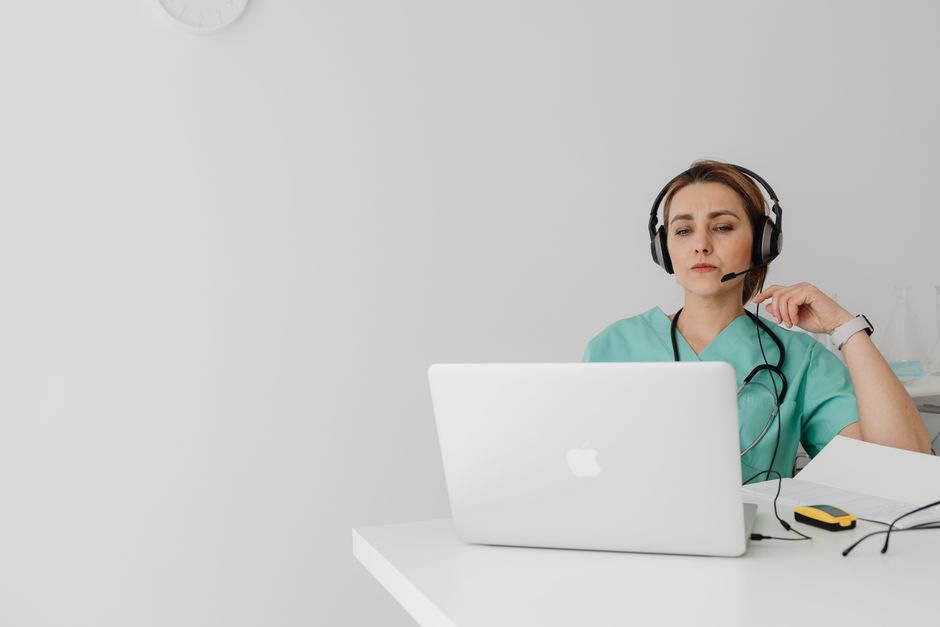
Sensitive care requires sensitive handling. Digital platforms can provide this, but only when they prioritise the patient over the process.