If your search history looks anything like mine used to, it’s a graveyard of half-finished 30-day challenges. You’ve probably tried the cold plunges that were all over TikTok, the sunrise wake-up calls, and the expensive supplement stacks that promised to "reset" your nervous system overnight. And like most of us, you likely hit a wall after two weeks, felt guilty, and went right back to your baseline of exhaustion.
I spent eight years working the night shift remotely, which meant my "wellness" was essentially a battle against my own biology. I learned the hard way that when your life feels like a constant state of "always-on" connectivity, wellness trends are just shiny objects that distract you from the actual work of recovery. You don't need a miracle cure; you need a system that fits your life.
Why You Keep Quitting (And Why It’s Not Your Fault)
The problem with wellness trends is that they are designed for virality, not for people who actually work for a living. When you see a high-energy influencer on TikTok showing off a four-hour morning routine, they are selling you a lifestyle that requires a specific kind of freedom—the kind that most of us don't have.
When you try to copy a trend that doesn't account for your specific work-from-home burnout or your personal physiology, you aren't failing. You are experiencing a mismatch. True wellness isn't about fitting yourself into a pre-packaged box; it’s about personalization. If the advice doesn't take into account that you have a job, a commute (or lack thereof), and a nervous system that’s currently screaming for help, it’s not advice—it’s just noise.
Trend vs. Supported Advice: How to Tell the Difference
It is easy to get caught up in the hype, but there is a massive gap between a trending social media topic and clinical evidence. Here is how to keep your head on straight when you're looking for guidance.
Feature The Trend (Social Media) Supported Advice (Clinical) Motivation FOMO and aesthetic goals. Functional, long-term health markers. Pacing "Go big or go home." Incremental, sustainable habits. Evidence Anecdotal ("It worked for me!"). Peer-reviewed or clinical consensus. Personalization One-size-fits-all. Tailored to individual medical history.Recovery as a Daily Lifestyle Habit
Stop thinking of "recovery" as something you do after you’ve already crashed. If you are waiting until you are completely burnt out to "relax," you are already behind. Recovery should be a tactical, daily process. Think of it like maintenance for a car; you don't wait for the engine to blow up before you change the oil.
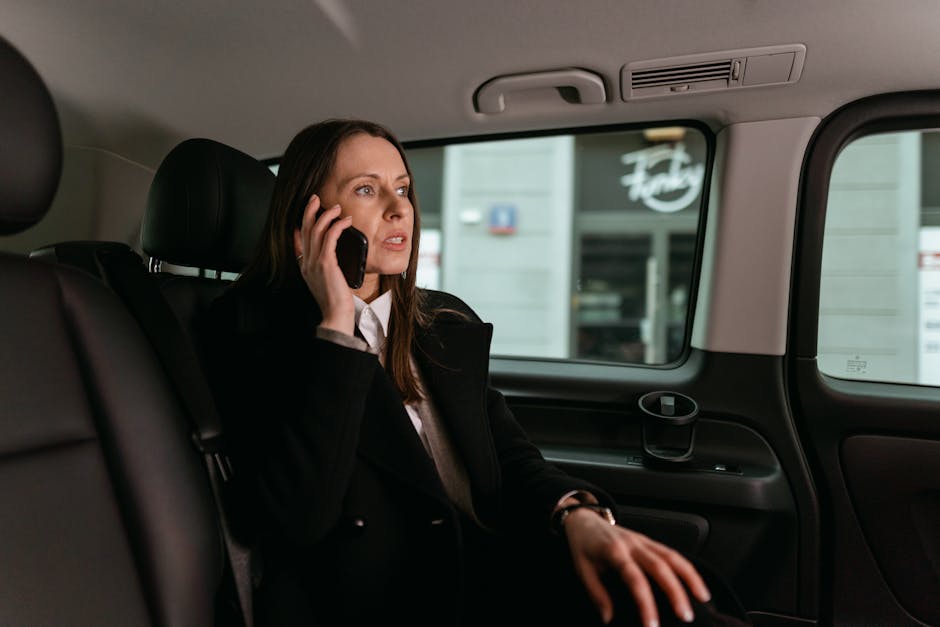
For those of us working remotely, the lack of a physical boundary between the office and the living room is the primary culprit for chronic fatigue. When your laptop is always two feet away, your nervous system never gets the signal that the workday is over. This leads to hyper-arousal—that jittery, exhausted feeling where you are too tired to do anything but too "wired" to actually sleep.
Recovery planning starts with creating hard boundaries. If you don’t build the transition into your day, your brain won't do it for you.
Regulating the Nervous System Without the Buzzwords
You’ll hear a lot of corporate wellness jargon about "nervous system regulation," which usually just leads to vague advice like "just relax." That is useless. You cannot "just relax" if your brain is stuck in a fight-or-flight cycle caused by back-to-back Zoom calls.
Instead, look at physiological tools. Regulation is about sensory input. If you’ve spent eight hours looking at a screen, your brain needs a different kind of input to shift gears. This could be physical movement, a change in ambient light, or even temperature therapy. The goal is to signal to your body that you are no longer in "production mode."
Using Digital Healthcare Platforms Effectively
If you suspect your fatigue is more than just a bad work-life balance, don't guess. Use digital healthcare platforms to get actual data. We are lucky to live in an era where online consultations make it easier to talk to a professional without disrupting your workday.
For example, if you are struggling with chronic pain or anxiety that interferes with your recovery, sites like Releaf—a UK-based medical cannabis clinic—can provide structured, clinician-led support. The key here is the "clinical" part of the platform. They aren't selling a lifestyle; they are providing access to medical oversight. Similarly, your local NHS resources provide a bedrock of general health guidelines that are much more reliable than any trending health hack you’ll find in a comment section.
Sleep Quality: The Foundation of Everything
You can optimize your diet, your light exposure, and your exercise, but if your sleep is fragmented, you’re trying to build a house on a swamp. Sleep quality is the ultimate barometer for your recovery.
If you find that your mind races the moment your head hits the pillow, it’s https://menupricephl.com/the-search-for-better-recovery-has-become-part-of-everyday-life/ a symptom of a lack of a "wind-down" protocol. Most people try to go from "high-intensity email writing" to "sleep" in zero seconds flat. That’s physically impossible for the human nervous system. You need a buffer.
A Simple Evening Routine Example
You don't need a fancy app or a $200 candle to make this work. You just need a consistent sequence of events that signals the end of the day. Here is a routine that takes 45 minutes and actually works:
The Hard Stop (15 minutes): Close all work tabs. Physically put the laptop in a drawer or a bag. Do not check it again. The Sensory Reset (15 minutes): Dim the main lights in your home. Use a warmer lamp if you have one. Change out of your work clothes into something that doesn't feel like "productivity gear." The Information Buffer (15 minutes): Do not look at your phone. Read a paper book, listen to a podcast you've heard before (nothing new or exciting), or just tidy up one surface in your house. The lack of blue light and "new" information helps the brain settle.How to Start Building Sustainable Habits
The secret to not quitting is to start smaller than you think you need to. If you want to improve your sleep, don't try to change your entire morning, evening, and work schedule at once. Pick one thing. Maybe it’s just the "Hard Stop" at 7:00 PM for one week.
Sustainable habits are built on the back of consistency, not intensity. If you miss a day, don't treat it like a moral failure. Just get back to the routine the next day. The "all or nothing" mindset is exactly what keeps people stuck in the loop of trying and quitting wellness trends.

Key Takeaways for Your Recovery Plan
- Vet your sources: If it sounds like a miracle, it’s a marketing campaign. Use NHS guidelines or peer-reviewed platforms for health advice. Boundaries are medicine: If you work remotely, you must create a physical and temporal end to your day. Personalize your plan: You know your energy levels better than any internet personality. Adjust your routine based on how you feel after a week, not based on what the algorithm tells you is "trending." Seek help when necessary: Utilize digital healthcare platforms or online consultations if you hit a plateau that basic lifestyle changes can't bridge.
You don’t need to become a different person to feel better. You just need to stop chasing the "next best thing" and start treating your downtime with the same respect you give your work hours. Start small, ignore the hype, and focus on the systems that actually serve your life.