In the last few years, the conversation around medical cannabis has shifted from the fringes of social debate into the mainstream of clinical enquiry. As a health editor who has spent over a decade watching NHS policy evolve, I have seen plenty of trends come and go. However, the rise of medical cannabis—and the technology underpinning its access—is something that requires a nuanced, clear-eyed look, far away from the "miracle cure" hype or the outdated moral panics that still haunt the headlines.
The most important question for patients today is simple: Is this meant to replace the conventional medicine you are currently taking? The short answer is no. It is designed to work alongside conventional care, not as a replacement for established evidence-based treatment plans.
The Legal Reality: A Quick Clarification
Before we dive into the clinical integration, we need to clear up a common misconception. Many people assume that because "medical cannabis" is a term thrown around in the news, it is as accessible as a pharmacy analgesic. It is not.
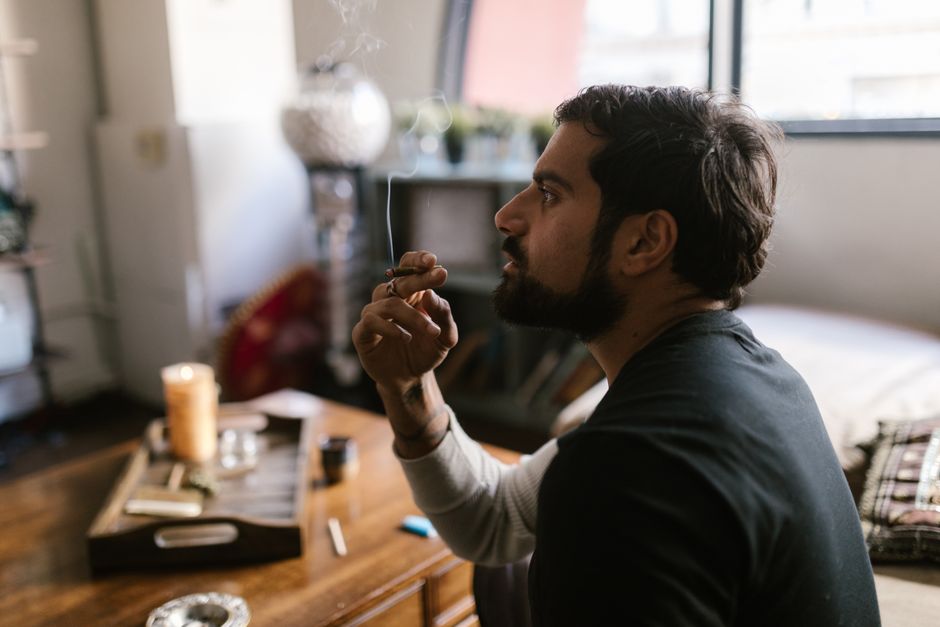
In the UK, the law changed in November 2018 to allow specialist clinicians to prescribe medical cannabis and sleep hygiene cannabis-based products for medicinal use. Crucially, this is not a blanket legalization for anyone with a mild ailment. It is a strictly regulated pathway. You cannot simply walk into a GP surgery and ask for a prescription. It requires a specialist—not a GP—to evaluate your history, ensure conventional treatments have been tried first, and provide specialist clinician oversight throughout the process.

If a clinic is suggesting you stop all your conventional medication in favour of cannabis, run the other way. Legitimate healthcare providers prioritize patient safety by integrating new treatments into a broader, stable medical strategy.
The Evolution of Self-Care
For a long time, the wellness industry was dominated by "self-care" as a beauty-centric concept. We saw CBD marketed as an additive in everything from hand creams to mascara, promising a vague sense of "wellness" that lacked any clinical weight. That is changing. We are seeing a shift toward practical, measurable health habits.
Patients are now approaching their health with more rigour. They are interested in broader healthcare support that views symptoms as interconnected rather than isolated issues. This reflects a more holistic view of wellbeing, where the focus is on quality of life and symptom management rather than just "curing" a condition that may be chronic or life-long.
Infrastructure: How Digital Tools Change the Pathway
The accessibility of medical cannabis has been facilitated by two specific technological advancements: telehealth systems and digital patient portals. These tools have professionalised what was once a stigmatised or confusing process.
Telehealth Systems
Telehealth has allowed patients who might live miles away from a specialist clinic to access expert consultations from their own homes. This is not just about convenience; it is about patient-centered decisions. By removing the physical barrier to access, specialists can conduct thorough, remote assessments of patient history, ensuring that the decision to pursue a cannabis-based treatment is informed and deliberate.
Digital Patient Portals
Digital patient portals act as the backbone of current medical cannabis monitoring. Because this is a controlled, developing area of medicine, tracking is non-negotiable. Portals allow clinicians to:
- Monitor patient-reported outcomes in real-time. Adjust dosages safely based on feedback. Ensure that the patient’s other health metrics—blood pressure, sleep quality, and pain scores—are being recorded systematically.
Quick reality-check: Medical cannabis is not for everyone. For some, the side effects—ranging from fatigue to cognitive changes—outweigh the benefits. It requires a high level of engagement and an honest, transparent relationship with your clinical team.
The "Alongside" Philosophy
When we talk about patient-centered decisions, we mean looking at the whole person. Conventional medicine excels at acute care and evidence-based protocols. Medical cannabis often fills the gap for patients whose symptoms are treatment-resistant or who suffer from significant side effects caused by long-term reliance on conventional drugs.
Think of it as adding a new tool to your kit, rather than throwing out the existing one. For example, a patient managing neuropathic pain might continue their conventional medication for base-level control while using a bespoke cannabis formulation to manage breakthrough symptoms. This integration is only possible through constant communication and clinical monitoring.
Aspect Conventional Approach Medical Cannabis (Managed Pathway) Accessibility GP-led/Standard Pharmacy Specialist Clinician Oversight Only Monitoring Periodic Reviews Digital Portal/Real-time Feedback Role Primary/Baseline Treatment Adjunctive/Supportive Treatment Evidence High-volume clinical data Evolving/Patient-reported outcomesWhy Specialist Oversight is Non-Negotiable
I have seen far too many articles frame cannabis as a miracle. It isn’t. It is a medicine with complex interactions. Without a specialist clinician oversight, patients risk dosage errors, interactions with their existing conventional medications, and a failure to identify underlying issues that require a different diagnostic approach.
A specialist does more than sign a prescription. They perform the following roles:
Reviewing history: Ensuring the patient has exhausted conventional, NICE-recommended treatments. Risk mitigation: Monitoring for any contraindications with existing medications. Goal setting: Defining what "success" looks like for the patient—be it better sleep, lower pain scores, or improved mobility. Titration: Carefully managing the starting dose and slowly increasing it to find the minimum effective dose.Moving Forward: A Balanced Perspective
If you are exploring medical cannabis, approach it with the same skepticism and requirement for evidence that you would apply to any other medical intervention. Do not treat it as a "wellness" trend. It is a serious clinical commitment that requires time, documentation, and expert supervision.
The goal of modern healthcare should be to offer the widest possible range of effective options for patients. When integrated correctly, medical cannabis can be a valuable component of a broader healthcare strategy. However, it must never be sold as a complete replacement for conventional medicine, nor should it be seen as a magic bullet for all ailments.
Stay informed, use the digital tools provided by your clinics to track your progress, and ensure that every decision you make is discussed with a qualified professional. Your health is not a trend; manage it with the care and evidence-based scrutiny it deserves.