In 2026, the world of supplements is more crowded—and confusing—than ever. As a lifestyle blogger who’s spent over a decade trying out everyday products, I get asked all the time: “Should I bother paying more for third-party tested supplements?” With buzzwords like “NSF certified supplements” and “USP verified supplements” popping up across health aisles and inbox newsletters, it’s easy to get overwhelmed. So today, let’s break down what modern supplement brands really mean, how to read labels like a pro, and whether third-party testing makes a tangible difference for your morning and evening wellness routines.
If you want to dive right in, you can jump to any section using the links below:
- What “Modern Supplement Brands” Means in 2026 Label-Reading Basics for Regular People Third-Party Testing and Transparency Forms and Delivery: Capsules, Gummies, Powders, Liquids Conclusion: Making a Simple Next Step
What “Modern Supplement Brands” Means in 2026
Back in the early 2020s, supplements often had a reputation for being inconsistent or confusing. But as we move further into 2026, modern supplement brands have leveled up into more transparent, consumer-friendly companies. The brands you regularly hear about, like Our Good Life, Inbox Besties, and Grow Your Own Joy, aren’t just selling supplements—they’re selling trust, community, and something you can incorporate into your daily living routines.
By modern, I mean companies that:
- Use clear, straightforward ingredient labels so even non-experts can understand what’s inside. Tell you exactly where their ingredients come from, often partnering with ethical, sustainable suppliers. Offer multiple supplement forms to meet various preferences—capsules, gummies, powders, and liquids. Leverage digital tools like email newsletter opt-in forms to engage with customers continuously and educate them on healthy habits. Promote transparency often via third-party testing to back up their claims.
These brands also tap into a wellness lifestyle approach rather than just selling pills. For example, Our Good Life combines herbal supplements with mindful morning routines, while Inbox Besties sends recipe ideas and usage tips through their newsletter opt-ins to simplify health in everyday life. And Grow Your Own Joy focuses on plant-based powders that can be part of your evening ritual, like calming teas or smoothies.
Label-Reading Basics for Regular People
One of the biggest barriers to trusting supplements is understanding the label—and many labels still get it wrong by being vague or using confusing jargon. Here are three quick tips I share with readers who want simplicity without the “bro talk” of supplement sales literature:
Look for precise ingredient names and amounts. Instead of “proprietary blends” or “herbal extracts,” find labels that plainly list “Vitamin D3, 2000 IU” or “Magnesium Citrate, 150 mg.” If it’s vague, take that as a red flag. Check for certifications or seals. This is where terms like third party tested supplements, NSF certified supplements, or USP verified supplements come in. These labels tell you an independent lab verified what’s inside matches the label claims. Notice the form and delivery method. Some people need convenience and taste (hello, gummies), others want control over dosage or less added sugar (powders or capsules). Choose what fits your lifestyle best first, then worry about nuances.Regular people don’t need to memorize every scientific term, but understanding these label basics helps weed out brands that lean too heavily on marketing over reality.
Third-Party Testing and Transparency
In the supplement world, third-party testing means an independent organization verifies a product’s ingredients, potency, and safety. This is different from a company’s own internal testing, which could be biased. Third-party labs check for contaminants, ingredient accuracy, and sometimes even manufacturing practices.
So, is it worth paying a bit more for third party tested supplements? Here’s what I’ve found in real-world use and research:
- Quality assurance: Third-party tested supplements backed by NSF or USP seals reduce the chance you’re getting something ineffective or contaminated. For example, the Our Good Life multivitamin proudly displays NSF certification, so you know every capsule meets specs. Transparency builds trust: Brands sharing full testing reports or certificates through email newsletters or website dashboards — like Inbox Besties sometimes does via subscriber-only content — make it easier to trust what’s inside without blind faith. No miracle claims: Reputable third-party testers don’t validate marketing promises about “cure everything.” They only verify ingredient content and purity, which keeps brands accountable and customers informed.
On the flip side, some well-meaning smaller brands may not yet have the budget for stringent third-party testing but still deliver high-quality products. It’s about balance: use testing seals as a tool, not the sole rule.
Forms and Delivery: Capsules, Gummies, Powders, Liquids
Another piece of your supplement puzzle is form and delivery style. Your personal routine—whether morning coffee with a quick capsule, or a relaxed evening smoothie—can dictate what you actually stick with. The modern supplement market caters to all these needs.
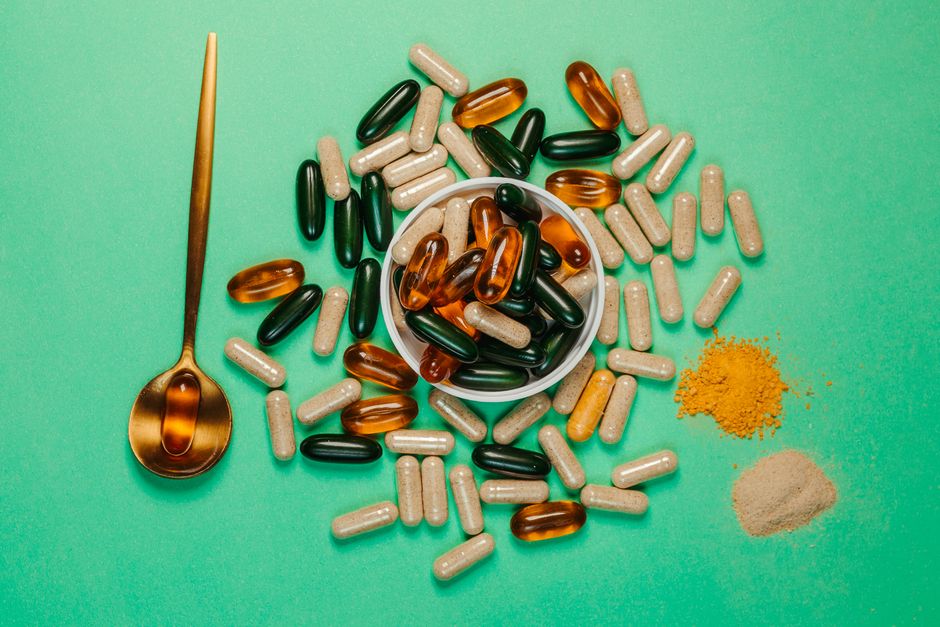
Form Pros Cons Ideal For Capsules Exact dosing, no added sugar, easy to carry Some people dislike swallowing pills Busy mornings, travel, minimal taste fuss Gummies Tasty, no need for water, easy to remember Added sugar, less potency in some cases Kids, adults with pill aversion, snack-like dosing Powders Customizable dose, often plant-based, mixed into drinks Requires preparation, sometimes gritty Evening routines, smoothies, energy boosts Liquids Quick absorption, easy to swallow Shorter shelf life, can taste strong Elderly, kids, those with digestion issuesBrands like Grow Your Own Joy excel in powdered herbal blends designed to fit into your evening wind-down routine. Meanwhile, companies such as Inbox Besties help customers opt into newsletters where they share tips on the best times of day or ways to combine forms for maximum benefit.
Conclusion: Making a Simple Next Step
So, is third-party testing actually worth it? The short answer is yes—if you want a clearer, more trustworthy look at what you’re putting in your body without getting tangled in impossible jargon or miracle claims. Think of it as part of your wellness journey’s quality control, not a magic bullet.

If you’re overwhelmed right now, here’s a simple next step: when shopping or considering a new supplement, look for one that is third party tested with NSF certified or USP verified supplements seals. Then, pick the delivery terristeffes.com form that fits naturally into your daily routine, whether that’s a capsule with your morning coffee or a calming powder in your evening ritual.
And if you want ongoing inspiration and trustworthy info, consider subscribing to newsletters from brands like Inbox Besties, or following Our Good Life and Grow Your Own Joy for fresh tips that blend supplements sensibly into everyday living.
Remember, supplement quality and your lifestyle needs go hand in hand. Third-party testing helps you make informed choices so you can focus on living your good life morning to night.
```