If you have spent any time on social media lately, you have likely seen "self-care" rebranded as a series of expensive, time-consuming rituals: silk pillowcases, sixty-minute yoga flows, and green juices that cost more than a small meal. As someone who has spent nearly a decade writing for NHS clinics and wellness sites, I’m here to tell you that for the truly exhausted—those dealing with genuine burnout—this version of self-care is not just ineffective; it is actively stressful.
True self-care is not about adding more to your "to-do" list. It is about sustainable energy management and knowing how to navigate the healthcare systems available to you in the UK. When you are running on empty, you don't need a spa day; you need a strategy.
The Shift: From "That Girl" Aesthetics to Long-Term Wellbeing
For a long time, the wellness industry sold us the idea that self-care was something you did to look better. True, evidence-based self-care is about how you *function*. It’s about emotional regulation, managing sleep routines, and addressing the root causes of stress, rather than simply plastering over the cracks.
In the UK, we often struggle to distinguish between "lifestyle tweaks" and "clinical support." If you find yourself chronically unable to function, it is time to look at the tools available to us. Modern healthcare is shifting toward digital-first interactions—using telehealth systems and online patient portals to make specialist care feel less like an ordeal and more like a manageable part of your day.
Myth vs. Reality: The "Miracle Cure" Trap
Myth: There is a "magic pill" or supplement that will instantly fix burnout and restore your energy levels.
Reality: There is no shortcut for metabolic and mental recovery. If a product or service promises to "reset your nervous system in 24 hours," it is a red flag. Real recovery happens through consistent, incremental changes and, where necessary, regulated clinical pathways.Practical Strategies for When You Have Nothing Left
When burnout hits, your executive function takes a nosedive. Don't aim for a "lifestyle overhaul." Aim for "low-friction recovery."
1. Audit Your Sleep Routines
Sleep hygiene is often mocked, but it remains the bedrock of mental health. If you are struggling with sleep, the NHS recommendation is to aim for consistency rather than perfection. Keep the same wake-up time, even if you’ve had a poor night. If you use digital tools to track sleep, don’t obsess over the data; use it to identify patterns, not to fuel anxiety about your "sleep score."
2. Accessibility and Documentation
Sometimes, the exhaustion comes from the administrative burden of being unwell. If you are struggling with chronic stress or health issues, managing medical notes can be a nightmare. Accessibility tools like Captions Nest can be life-savers for those who struggle to keep up with video consultations or verbal instructions. Having a clear, written record of your health strategy—tracked through secure online patient portals—prevents that "I forgot what the specialist said" panic.
3. Emotional Regulation in a High-Stress UK Landscape
Modern life in the UK—with its rising cost of living and high-pressure work environments—is a recipe for nervous system dysregulation. Stress reduction isn't about avoiding stress; it’s about having a "recovery kit." This might include:
- Box Breathing: Used by emergency services, this is a four-second inhale, hold, exhale, hold cycle that physically forces your heart rate down. Prioritising "Must-Dos": Radical acceptance that some days, washing the dishes is a victory. Clinical Support: Knowing when your stress has moved from "situational" to "clinical."
The Evolution of Medical Cannabis in the UK
There is still a lingering stigma regarding cannabis-based care. Let’s clear the air: Medical cannabis is a regulated, specialist-prescribed medicine. It is not the same as recreational use, which remains illegal in the UK. digital prescription UK Since the legislative change in 2018, patients with specific, treatment-resistant conditions have been able to access cannabis-based medicines through specialist consultants.
A note on the legal framework: In the UK, you cannot simply buy cannabis for stress. Access requires a clinical assessment by a specialist who determines whether your condition—such as chronic pain, anxiety, or treatment-resistant sleep disorders—warrants a prescription. Clinics like Releaf offer a modern approach, utilising telehealth systems to conduct assessments remotely. This is a massive shift from the old, daunting model of waiting months for a consultant appointment.

Myth vs. Reality: Cannabis Care
Myth: Anyone can get a prescription for "stress" if they pay enough money.
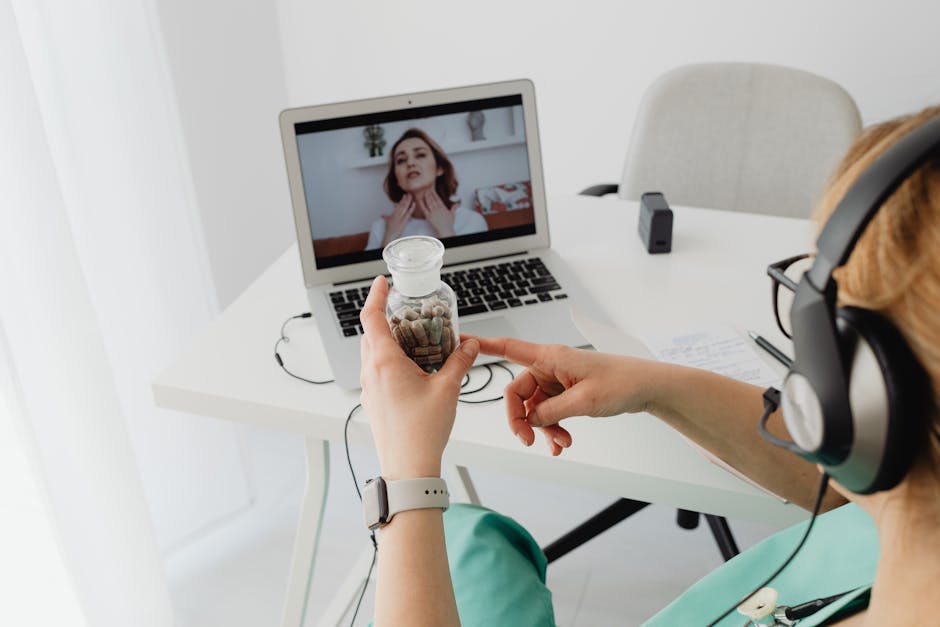
Table: Assessing Your Next Steps
If you are feeling... The UK-Specific Approach What to expect Mild, temporary stress NHS "Every Mind Matters" resources Free, self-guided, digital wellbeing tools. Burnout affecting work/daily life GP Consultation Referral for talking therapies or potential medication. Chronic, treatment-resistant conditions Specialist Private Consultation (e.g., Releaf) Thorough review of your history via telehealth portals.Sustainable Energy: How to Stay Afloat
If you are exhausted, "doing more" is not the answer. Sustainability is found in the things you *stop* doing.
Stop Doomscrolling: The sheer volume of information we process is a leading cause of modern fatigue. Use app-limiters if you have to. Stop Being Your Own Doctor: If you are feeling chronically unwell, use your GP as the primary point of contact. If you need a second opinion, use verified online patient portals to share your history clearly. Stop Equating "Busy" with "Productive": Your worth is not tied to your output. Recovery is a physiological necessity, not a reward for work done.Final Thoughts: Take the Help Available
The UK healthcare landscape is complex, but it is moving in the right direction regarding accessibility. Whether you are using NHS digital services to track your appointments, or engaging with private specialist providers for conditions that haven't responded Go to this site to standard care, the goal should always be the same: **better quality of life.**
Do not let the stigma surrounding medical cannabis or the confusion of modern healthcare pathways stop you from seeking support. If you are exhausted, start small. Reach out to your GP, use your patient portals to stay organised, and ignore the influencers telling you that you need to be doing more. You don't need a lifestyle aesthetic. You need a life that works for you.
Disclaimer: I am a health writer, not a medical professional. This article is for information purposes and does not constitute medical advice. Please consult your GP or a licensed specialist for any health concerns or regarding specific treatment pathways.