For over a decade, I spent my days standing in clinical home delivery prescriptions back offices, watching administrative teams scramble with stacks of physical appointment letters. I saw the missed connections, the "did not attend" (DNA) charts that looked like a jagged mountain range, and the sheer exhaustion of staff calling patients one by one to confirm a 10:00 AM slot. Exactly.. We were living in a paper-based echo chamber while the rest of the world was busy digitizing everything from their banking to their grocery hauls.
The healthcare sector is finally catching up. Today, automated reminders—encompassing everything from appointment reminders to medication reminders and automated follow-up scheduling—are becoming the backbone of the patient experience. But do they actually help, or are they just another layer of digital noise?
The Evolution of Expectation: Why Patients Want "Amazon-Style" Healthcare
There is a fundamental disconnect in healthcare that we rarely address: patient expectations. We live in an era of "just-in-time" delivery. If a patient can track their coffee delivery to their front door or get a push notification that their bank transfer has cleared, why should they have to wait three days for a letter in the post to tell them when their GP referral is scheduled?
Patients now expect connected platforms. They want online appointment booking that syncs directly to their calendar. They want a ping on their phone 24 hours before a virtual consultation. This isn't just about convenience; it’s about reducing the cognitive load on the patient. When we move away from manual, person-to-person scheduling, we reduce the friction that keeps people from seeking care in the first place.
Defining the Automated Toolkit
In my work as a healthtech implementation lead, I’ve seen many platforms over-promise and under-deliver. Let’s strip away the marketing fluff and define what these tools actually do.
1. Appointment Reminders
These are the workhorses of the clinic. A good system doesn't just send a text; it Additional resources provides a link to reschedule, a map to the physical location, or a direct link to the virtual consultation waiting room. If you receive a reminder that doesn't allow you to confirm or reschedule with one click, your clinic is behind the curve.
2. Medication Reminders
These are often integrated into patient portals. The goal here is adherence. Chronic conditions are notoriously difficult to manage when the patient is solely responsible for remembering the "what" and "when." Automated reminders can be the difference between a controlled condition and an emergency admission.
3. Follow-up Scheduling
This is where clinics often fail. After an initial consult, how hard is it to book the next step? Automated follow-up scheduling allows the clinician to set a "recall" date in the system, which triggers an automated email or SMS to the patient inviting them to book their next session. It removes the "we’ll call you" black hole.
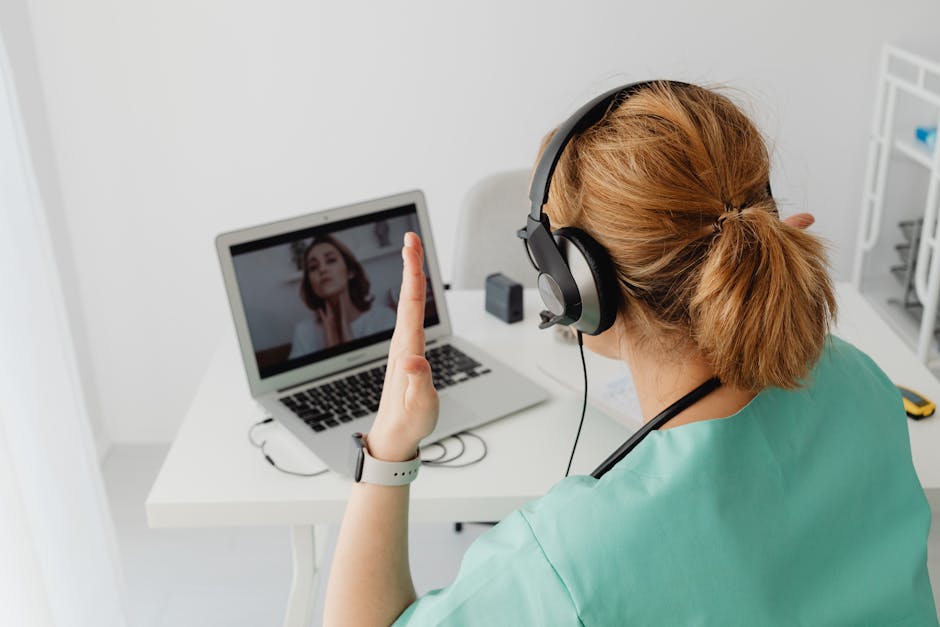
The Transparency Trap: Why You Should Run if You Can't See the Price
During my time auditing digital clinics and telehealth providers, I developed a personal rule: If I cannot find the price of the service on the landing page, I am not booking.
Many "modern" digital clinics spend a fortune on UX/UI design to make their booking flows look slick, only to hide their pricing structures behind marketing fluff like "fast approvals" or "personalized quotes." This is a massive red flag. In healthcare, price transparency is not a "value add"—it is a regulatory necessity for informed consent.
Feature What a Good Clinic Does The "Red Flag" Approach Pricing Clearly lists consultation fees upfront. "Call for a quote" or hidden behind an intake form. Clinician Info Provides clear profiles of the medical team. Hides clinician credentials behind marketing copy. Scheduling Allows booking and rescheduling in one screen. Requires a 15-minute phone call to "confirm availability."When a website makes you jump through hoops just to see what you are paying for, they aren't saving you time—they are harvesting your data to build a sales pipeline. This reminds me of something that happened thought they could save money but ended up paying more.. Be wary of any "digital clinic" that forces you to provide your phone number before showing you a price list.
Do These Tools Actually Help, or Is It Just Hype?
The evidence suggests they help significantly, but only when implemented correctly. The benefits aren't just for the clinic's bottom line; they are for patient outcomes.
- Reduced "No-Shows": By offering a simple, one-click reschedule button in an appointment reminder, clinics see a massive reduction in wasted clinical time. Better Adherence: Medication reminders have been proven to keep patients on treatment plans longer, especially for long-term health management. Lower Anxiety: Virtual consultations can be intimidating. A well-timed reminder that includes "what to expect" and instructions on how to join the video call significantly lowers patient pre-appointment stress.
However, I caution against the "AI Overhype." I see many providers claiming their reminders are "AI-driven." In 99% of cases, this is just a standard automated rule-set. Do not pay a premium for "AI" features that are essentially just a calendar trigger. Demand functionality, not buzzwords.
The Implementation Checklist: What to Ask Before You Book
As someone who has spent 11 years onboarding clinics to new workflows, I have a short list of questions I ask any provider before I put my credit card details into their system. You should do the same:
Can I see the full, transparent pricing for both the consult and any follow-up treatments? Is the clinician's registration status (e.g., GMC, HCPC) clearly visible without me having to dig through your legal disclaimers? Does the reminder system allow me to reschedule without calling your support line? How do you handle data privacy? (If the answer is vague, look elsewhere.) Is the "virtual consultation" platform integrated directly into your portal, or do you expect me to download a third-party app I’ve never heard of?The Future is Frictionless
The shift from paper to connected digital platforms is inevitable. We are moving toward a world where your health management is as seamless as your digital banking. Automated reminders are a massive part of that evolution, provided they are built with the patient’s time and intelligence in mind.
When you are looking for your next provider, look for the ones that respect your time. Look for the platforms that don't hide their doctors, don't hide their prices, and don't make you perform a digital scavenger hunt to understand your own treatment plan. Efficiency is not just about moving fast; it’s about making the right information available the moment you need it.

If a clinic can’t show you their price and their process in one simple, jargon-free screen, keep looking. Your health is too important to be a test subject for a poorly designed tech stack.
About the Author: With over a decade of experience as a healthtech implementation lead, I’ve navigated the frontlines of NHS patient portals and private telehealth rollouts. I write to cut through the marketing noise and help patients demand better, more transparent digital care.