If you’re a footballer, or even just a passionate lower-league supporter like me, the phrase “just rest it” probably feels like a bad joke. You’ve been there — knee pain after training, scans come back with no major abnormalities, but the ache just lingers. It’s frustrating, confusing, and can feel like you’re going mad. Why does your knee still hurt when the scans say it looks fine?
Let’s break this down in a language we understand, drawing on 11 years around changing rooms, rehab bays, and away ends. I’ll also reference some solid tools like the UK Anti-Doping (UKAD) guidance and explain pathways like using medical cannabis at private clinics — because managing persistent knee pain is more than just ice packs and strappings.
The Football Culture and Stigma Around Reporting Pain
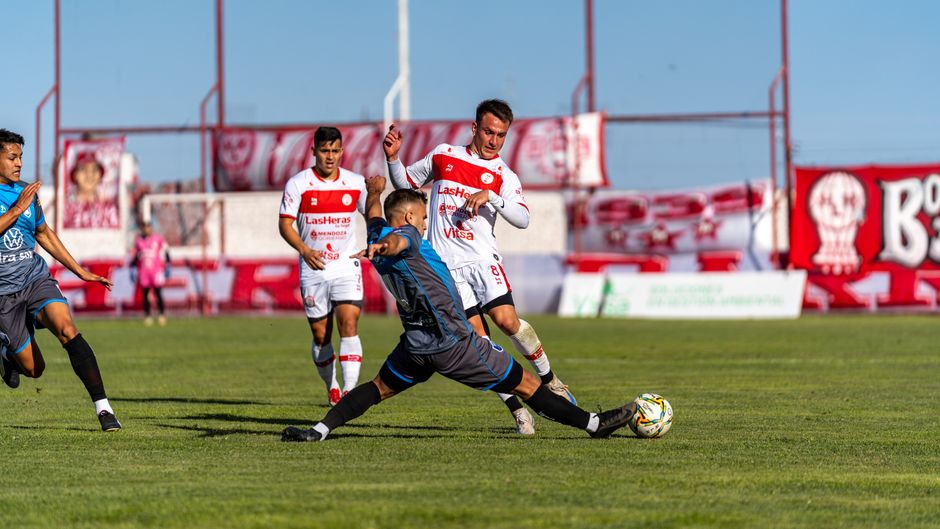
First, a quick call-out to football culture. It’s steeped in tradition, pride, and — frankly — stubbornness. The “play through the pain” mentality is glorified. Players brag about toughing it out when injured, and coaches sometimes give the cold shoulder to those who report pain, fearing it shows weakness. I hate this attitude. Reporting pain isn’t about being soft. It’s about staying fit for the long run.
This stigma delays diagnosis and proper rehab, leading players to push through injury and develop long-term issues like persistent pain or osteoarthritis. If your teammates are laughing off their knee aches but you’re genuinely struggling, you’re not alone, and it’s not because you’re weak.
Understanding Why Your Knee Hurts Despite Normal Imaging
Persistent Pain with "Normal" Scans: A Common Reality
Scans like X-rays, MRIs, and CTs are excellent tools for spotting structural damage. But they don’t tell the whole story. You can have:
- Meniscus tears that don’t explain symptoms Mild cartilage wear appearing “normal” on scan but causing pain Ligaments that look intact but feel unstable
“Persistent pain normal imaging” is not uncommon. It doesn’t mean your pain is “all in your head.” It means your knee pain might be driven by mechanisms beyond obvious structural damage.
Mechanisms Behind Ongoing Knee Pain
There are several reasons why your knee hurt despite the clean scan report:
Imperfect Healing: Football injuries often involve bruising, small tears, or swelling. Sometimes these don’t heal perfectly, leaving you with subtle tissue irritation that won't show up clearly on scans. Cumulative Loading: Football is hard on knees — all that running, twisting, tackling, and jumping means repeated stress over months or years. Even without a big trauma, your knee structures can get worn down, leading to pain, stiffness, and swelling. Central Sensitisation: This one’s a bit technical but important. Sometimes, the nervous system becomes “amped up,” sending pain signals even when the knee itself isn’t the main problem. This is called “central sensitisation”—or “central sensitisation knee” when localized here. It means your brain and nerves are more sensitive and interpret normal sensations as painful.
Central Sensitisation Knee Explained
Think of your nervous system as a security alarm. Normally, it buzzes when there’s a real threat — say, a broken ligament. With central sensitisation, this alarm becomes oversensitive, buzzing even when there’s no major damage. This oversensitivity contributes to persistent pain, increased sensitivity to touch, swelling without clear cause, and longer recovery times.
Understanding this helps us shift focus from just damage repair to managing how your nervous system processes pain. This is where pain education becomes absolutely crucial.
The Long-Term Outcomes: Osteoarthritis and Persistent Pain
If left unaddressed, repeated knee injuries or ongoing pain can pave the way to osteoarthritis (OA). OA is wear-and-tear arthritis — a gradual breakdown of cartilage, joint stiffness, and chronic pain. But the silver lining is that pain management strategies can significantly improve quality of life, even if structural changes are present.
One of the biggest challenges is when the knee pain outlasts healing periods or seems disproportionate to the injury. This is not “just the way it is.” Persistent pain is a complex experience that involves both your knee and your brain.
Active Rehab: Graded Exercise and Strengthening
Now we get to the bit I’m passionate about — active rehab. The old advice to "just rest it" is not only vague but often unhelpful. Instead, building a simple, consistent routine of graded exercise and strengthening can do wonders.
Why Graded Exercise?
Graded exercise means slowly increasing activity levels rather than jumping straight back to full intensity—risking a flare-up. This helps retrain the nervous system and improve tissue health without overwhelming your knee or nervous system.
- Start small: Gentle range-of-motion stretches and low-impact cardio (think cycling or swimming). Build strength: Focus on quadriceps, hamstrings, glutes, and calf muscles to support your knee. Introduce controlled loading: Progressively add weight-bearing and sport-specific drills. Listen to your body: Pain thresholds vary, so keep tabs on what’s normal post-exercise soreness vs. true worsening pain.
Strengthening Exercises to Consider
Exercise Description Frequency Quadriceps Sets Sitting with leg straight, tighten the thigh muscle; hold 5-10 seconds. 3 sets of 10 repsdaily Hamstring Curls Standing or lying, bend knee to bring heel toward buttock. 3 sets of 10 reps every other day Glute Bridges Lie on back, lift hips off the floor squeezing glutes, hold. 3 sets of 10 repsdaily Calf Raises Stand on toes, lift heels, hold, lower. 3 sets of 12 reps every other dayPain Education: Learning How Pain Works
Understanding pain normalises your experience and reduces anxiety. When you know that pain can be influenced by nerves, mental state, and inflammation, you’re empowered to manage it actively rather than fearing every twinge.
UKAD’s resources are great for athletes trying to navigate pain and treatment options safely, especially when considering things like medical cannabis, which some private clinics offer as part of pain management pathways.
Private Clinic Pathway for Medical Cannabis
Medical cannabis is gaining CBD not on prohibited list attention for persistent pain management, including knee pain, though it remains strictly regulated. UKAD guidelines remind athletes to check legality and doping risks before pursuing these treatments.
If considering this route:
- Consult a specialist pain clinic with experience in medical cannabis. Focus on tailored, multidisciplinary care—medical cannabis is not a standalone fix. Use it as part of a wider rehab plan including graded exercise and physiotherapy.
What Changed in the Last 6 Weeks?
Here’s my favourite question to ask anyone with lingering knee pain: “What changed in the last six weeks?”
Maybe you increased training volume, returned from a layoff too quickly, or started new footwear. Pinpointing these “changes” helps break the cycle of persistent pain by adjusting your load sensibly.
Final Thoughts
Your knee pain is valid, even if the scans look fine. It’s often a physiotherapy for chronic knee pain combination of imperfect healing, cumulative stress, and nervous system changes that keep the pain alive.
Don’t buy into “just rest it” or ignore the stigma about reporting pain. Active rehab, education about pain, and careful pacing are your best allies.
Remember, football's a long season. Staying honest with yourself and your body helps make sure you’re fit for the 90 minutes — and many more seasons beyond.
Keep moving, stay informed, and never be afraid to ask for help.

For more on managing your knee pain and safe treatment pathways, check out the UKAD knowledge hub and talk to a trusted clinician if medical cannabis interests you as an option.